
Will you chip in to support our nonprofit newsroom with a donation today? Yes, I want to support My Lynnwood News!
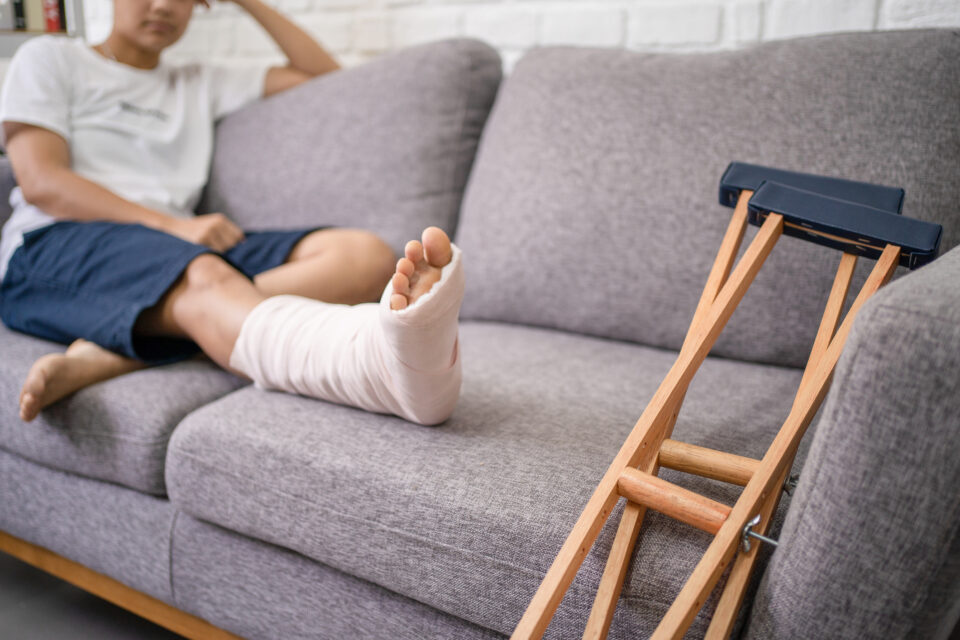
As a veteran of three surgeries in our household during the past 18 months, I can report that some doctors are better than others in helping you prepare for the challenges of recovering from surgery at home. The most basic tasks (eating, dressing, using the bathroom) may become difficult, if not impossible, which can become downright dispiriting.
To help you avoid some of the surprises and challenges my family weathered during our recoveries, below are some recommendations that you will benefit from knowing before your surgery date. Our family had hand and foot surgeries, so the tips will primarily relate to those procedures.
Disclaimer: I am not a health care professional and am not dispensing medical advice. These suggestions are solely my own and may or may not be endorsed by your health care team. Discuss your questions and concerns with your provider.
- Let’s start off on this not-fun list with something fun: Audiobooks! If holding a book or a Kindle is out of the question during recovery, go the audio route. Sno-Isle Libraries offers a wonderful free service called Libby that allows you to check out ebooks, digital audiobooks and magazines for viewing on your phone, laptop or any other internet-connected device.
- Needless to say, an operation will put a dent in your finances. To save some money, reach out to friends and family to borrow items like a scooter, walker, crutches, etc.
- A week or two in advance, start practicing essential everyday activities with the limb that will not be impacted. For example, if you are left-handed, practice brushing your teeth, using your TV remote, etc., with your right hand.
- If you know that you’ll need to elevate your leg or arm for a few days after surgery, figure out in advance what props you should use. Sussing this out when you’re dopey, immobile and/or in a monster truck-level of pain is not advisable.
- If you’ll be in a leg cast or boot — using crutches or a walker — remove area rugs, door and bath mats, and any obstructing furniture to reduce the chance of tripping.
- If grasping or squeezing will be out of the question, buy body-care products (shampoo, face lotion, toothpaste, etc.) with a pump dispenser.
- If your dominant hand/arm is affected, get wet wipes for your toileting needs. (And throw them in the garbage, not the toilet – unless you enjoy plumbing emergencies.)
- Fastening buttons, zippers and bra hooks, along with tying shoelaces, may range from annoying to impossible without assistance from someone else. Elastic waistband pants/joggers/yoga pants and pullover tops are recommended until you’ve got some recovery under your belt (pun kind of intended).
- The microwave will be your best friend: Stock up on frozen meals. Or premake and freeze meals. Trader Joe’s sells frozen rice that takes less than five minutes to heat up in the microwave.
- Precut and freeze your favorite veggies, or buy bags of precut frozen vegetables.
- Using a can opener might be off limits for a while (almost three months post-surgery, it’s still uncomfortable for me). Canned soups and beans with a tab opening can be a lifesaver.
- Showering/bathing might range from cumbersome to dangerous, especially alone, if your mobility is limited. There are lots of products that make “bathing” in bed or a chair a breeze. I endorse this one as it lathers up well and doesn’t require rinsing off. If you need to protect a cast or a surgical site from water, there are plenty of options online. The quality of this leg protector was very good.
- Your memory and sense of time will be temporarily compromised by post-anesthesia brain fog, pain medications and general post-operative drowsiness. Save yourself the guesswork and the potential downsides of over- or under-medicating by recording your medication intake. You should track three things: the medication name, the amount you take and the time you take it. I wrote my log by hand, but there are apps to help with tracking. Set an alarm to remind yourself when to take your meds, especially those that control pain. If you miss a dose, it can decrease the effectiveness of pain management.
Good wishes with your surgery and recovery.
Clare McLean is a reporter for the My Neighborhood News Group.


Great ideas! Should be given to patient when being scheduled for surgery by doctors.